 ENG
ENG
 ՀԱՅ
ՀԱՅ
 ES
ES
 РУС
РУС

What Is SoftWave Therapy?
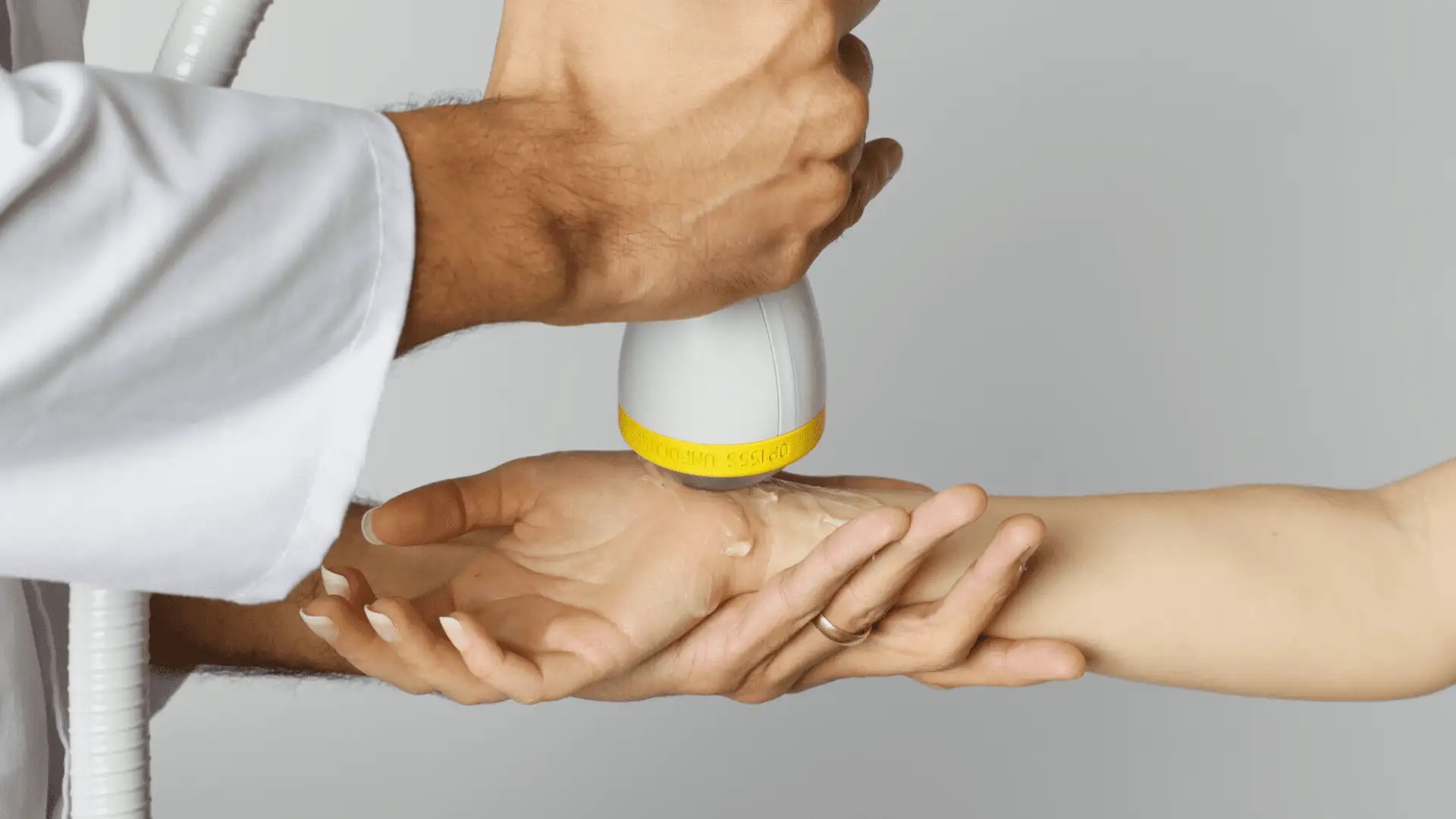
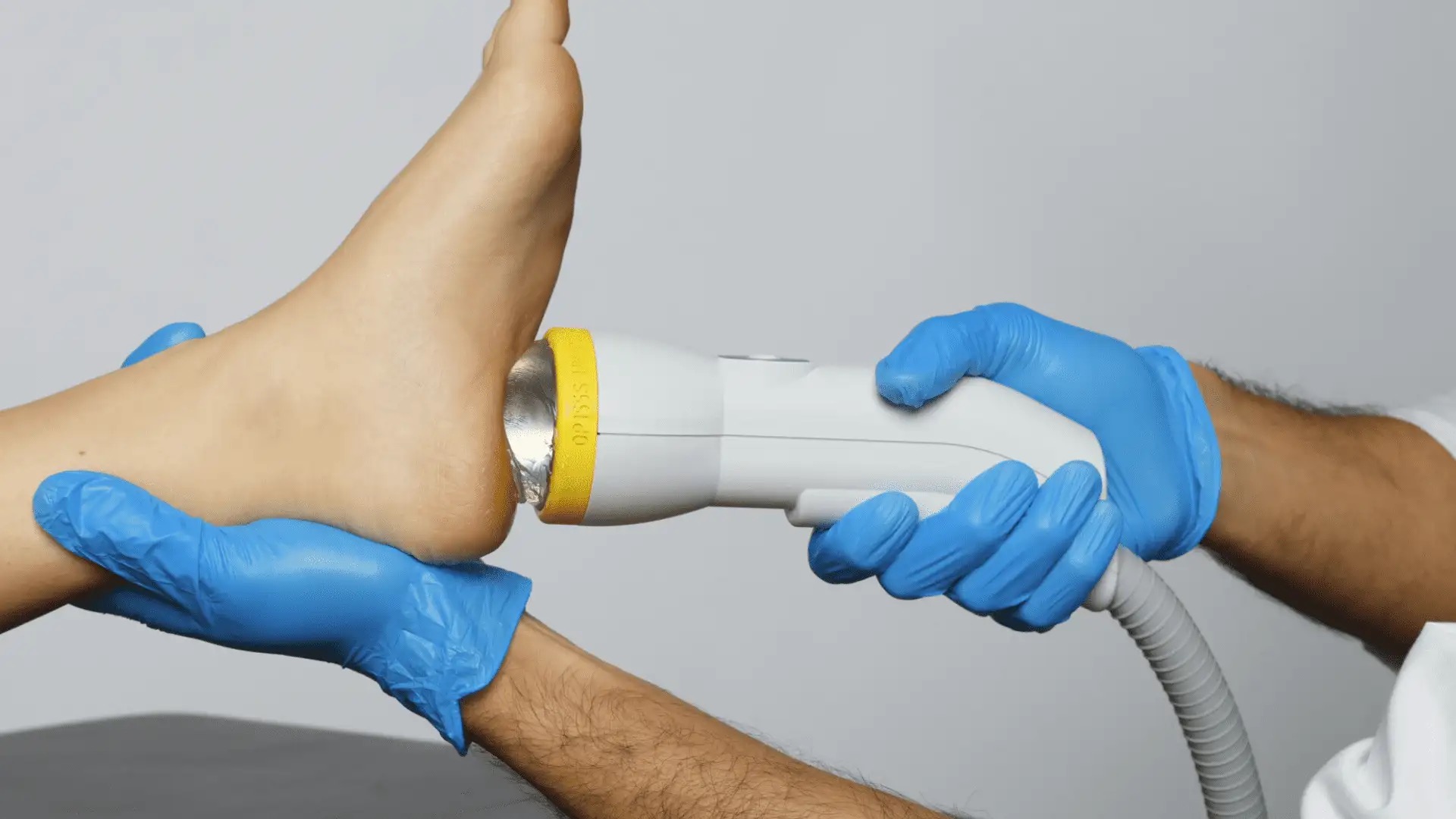
SoftWave Therapy is a non-invasive treatment that uses focused acoustic (sound) waves to activate the body’s natural healing response. It does not require surgery, medications, or needles, making it a safe, low-risk option for many patients. By easing pain, supporting faster recovery, and promoting tissue regeneration, SoftWave Therapy offers a convenient and effective way to improve comfort, mobility, and overall function.
How Does SoftWave Therapy Work?
During a SoftWave treatment, gentle acoustic shockwaves are directed to specific areas of the body. These waves:
- Stimulate tissue repair and regeneration
- Improve local blood flow
- Help reduce inflammation
Together, these effects support faster healing and long-lasting pain relief.
Why Choose SoftWave Therapy?
- Safe, non-invasive, and virtually risk-free
- Helps relieve pain
- Quick, in-office treatments
- Accelerates healing by enhancing the body’s natural repair ability, without medications
- No surgery or anesthesia required
- No downtime and no known side effects
Who Can Benefit from SoftWave Therapy?
SoftWave Therapy can help manage symptoms and support recovery for many conditions, including:
- Back pain
- Knee pain
- Shin splints
- Plantar fasciitis
- Jumper’s knee
- Stress fractures
- Overuse injuries
- Foot ulcer pain
- Non-union fractures
- Shoulder pain
- Scar tissue-related pain or restriction
- Osgood-Schlatter disease
- Hamstring pain
- Elbow pain
- Fascial tightness/restrictions
- Hallux rigidus
- Achilles tendinopathy
- Morton’s neuroma
- Pelvic pain
- Erectile dysfunction
- …and many other musculoskeletal and soft tissue conditions
What to Expect at Your SoftWave Visit
A SoftWave session is usually brief—often around 5–10 minutes—though the exact time depends on the area being treated and your diagnosis.
To begin, a thin layer of gel is applied to the skin. Your provider then glides a handheld device over the target area, delivering a series of controlled pulses. Throughout the visit, you’ll stay in communication with your clinician to help identify problem spots, adjust intensity if needed, and monitor how you’re responding in real time.
Shockwave Therapy Contraindications: When It May Not Be Appropriate
Shockwave therapy (ESWT) is considered safe for many patients, but there are certain situations where it should be postponed or avoided to reduce the risk of complications
Contraindications:
Pregnancy
Coagulation Disorders
Presence of Pacemakers or Other Electronic Implants
Malignancies in the Treatment Area